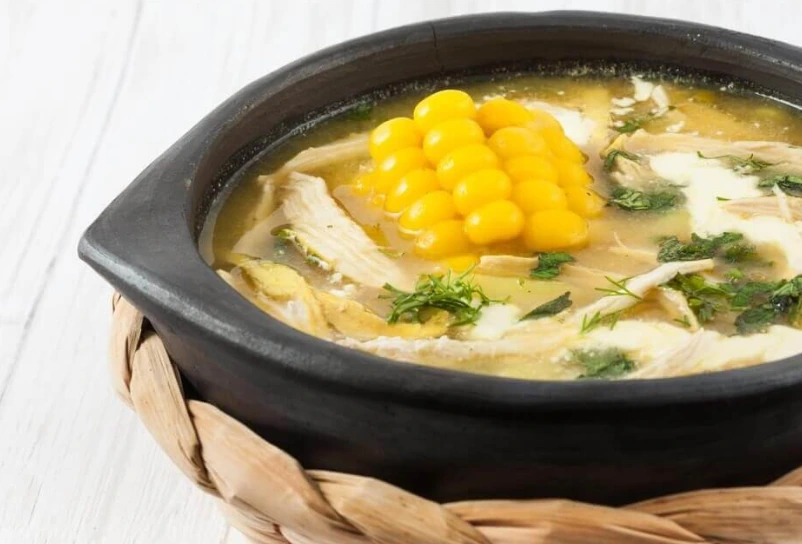
If you’ve typed “best ajiaco colombiano near me” into a search bar, the honest answer is that the closest authentic version is probably farther than you’d like — because this soup belongs to one city more than almost any dish belongs anywhere. Ajiaco santafereño, the chicken, potato, and corn soup thickened with an Andean herb called guasca, is Bogotá’s signature comfort food, and the city’s restaurants treat it less like a menu item and more like a point of civic pride.
That doesn’t mean the search is wasted. Knowing what separates real ajiaco colombiano from a vague potato soup with chicken thrown in will help you recognize it anywhere, and knowing exactly where to go in Bogotá gives you a benchmark worth chasing if you ever make it there.
What Actually Makes It Ajiaco Colombiano (and Not Just Chicken Soup)
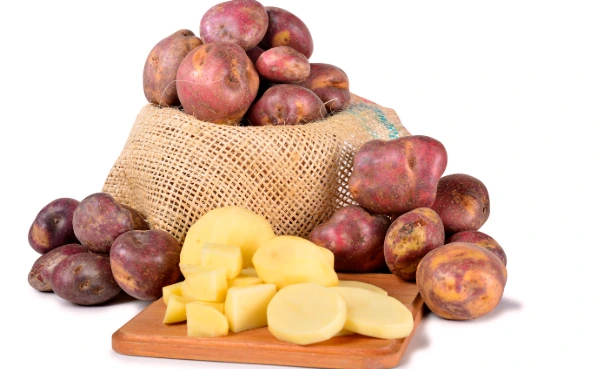
The dish lives or dies on three potato varieties: small yellow criollas, purple-skinned sabaneras, and the larger white pastusas. Cooked together in chicken broth, the criollas and sabaneras break down almost completely, thickening the soup into something closer to a creamy stew than a clear broth, while the pastusas hold a bit more structure. Shredded chicken, big chunks of corn still on the cob, and cilantro round out the base — but the ingredient that actually defines authenticity is guasca, a slightly bitter, earthy Andean herb. Leave it out and you’ve made a perfectly fine potato-chicken soup; you haven’t made ajiaco santafereño. Most versions land on the table with avocado, capers, and cream served on the side, stirred in spoonful by spoonful so each bowl ends up a little different depending on how heavy-handed the diner gets with the garnishes.
Why “Ajiaco” Means Something Different in Cuba, Peru, and Bolivia
Part of the confusion behind a “near me” search is that ajiaco isn’t one dish — it’s a name shared by several unrelated soups across Latin America. The word likely traces back to the Taíno term for chili pepper, axí, and the earliest documented version shows up in 16th-century Cuba, cooked in clay pots over wood fire. Cuban and Peruvian ajiacos still lean on chili peppers today, prepared in ways that have little overlap with the Colombian version beyond the name. Bolivia has its own ajiaco too, a potato-and-meat soup from the Andean highlands that occasionally uses llama instead of chicken or beef. None of these are better or worse than the Colombian one — they’re just different dishes that happened to inherit the same word. If you’re specifically chasing ajiaco colombiano, searching for “ajiaco” alone will pull up recipes and restaurants that have nothing to do with Bogotá’s version.
How Bogotá’s Version Got to Where It Is Now
Colonial-era records describe the Muisca people of the Bogotá highlands eating a soup of potato, corn, onion, and hot pepper long before Spanish ingredients like cream, capers, and chicken folded into the recipe. The pepper eventually dropped out of the Colombian version entirely, which is part of why it tastes so different from its Cuban and Peruvian cousins despite the shared name. Even within Bogotá, the dish keeps shifting — rice as a garnish is a relatively recent addition, and older generations remember the chicken served whole on the bone rather than shredded into the broth. The city now hosts an annual competition called Días de Ajiaco Santafereño, running since 2014, where restaurants and markets compete for bragging rights on the most traditional bowl in town. That kind of institutional attention is a decent signal that this isn’t a casual home recipe — it’s treated as culinary heritage worth defending.
Where to Actually Order It in Bogotá
Santa Fé Café & Restaurante, tucked into the La Macarena neighborhood, has built its reputation on this one dish for nearly 25 years and has been recognized by the Colombian Gastronomy Academy as serving the city’s best ajiaco on multiple occasions. The setting feels closer to a small French bistro than a typical Bogotá eatery, with individual rooms and a patio decorated in a bohemian, art-filled style. It’s the pick for anyone who wants the dish served somewhere that takes the presentation as seriously as the recipe.
La Puerta Falsa, open since 1816 in the historic La Candelaria district a block from Plaza Bolívar, is the opposite kind of experience — tiny, crowded, and almost defiantly unchanged. Tables sit close enough that you’ll likely share elbow room with strangers, and the wait can run long during peak hours. What you get in exchange is one of the oldest continuously running kitchens in the city, serving ajiaco alongside Bogotá classics like spiced hot chocolate with cheese. This is the choice for travelers who want the dish in its least touristed, most lived-in setting.
Casa Vieja has been serving “authentic Colombian cuisine” since 1964 from a Belle Époque dining room filled with colonial antiques and white tablecloths, with ajiaco positioned front and center on the menu. It suits diners who want a sit-down, full-service meal built around the dish rather than a quick bowl grabbed between errands.
Restaurante Las Margaritas, founded in 1902 by Margarita Ángel and still run by her descendants five generations later, only opens on Saturdays, Sundays, and holidays — which tells you something about how this restaurant treats the dish as a weekend ritual rather than a daily offering. Its corn empanadas and ajiaco santafereño, served in glazed ceramic bowls in the Chapinero neighborhood, reward anyone willing to plan a visit around its limited hours.
Ajiaco vs. Sancocho: Don’t Confuse the Two
Is sancocho colombiano the same thing as ajiaco?
No, and mixing the two up will lead you to the wrong restaurant. Sancocho is a broader category of Colombian soup, usually built around multiple meats, plantain, and yuca, with regional versions varying widely across the country. Ajiaco santafereño is narrower and more specific — tied to Bogotá, built on the potato trio and guasca, and rarely including yuca or plantain at all. If a menu lists both, they’ll taste and look noticeably different bowls.
What if I’m nowhere near Bogotá — can I still find real ajiaco colombiano?
Outside Colombia, your best bet is a restaurant run by Colombian owners rather than a general Latin American spot, since guasca isn’t a common pantry herb and gets skipped when it’s not available locally. Ask directly whether the broth includes guasca and whether they use more than one potato variety — both questions tend to separate kitchens that know the dish from ones serving a generic stand-in.
The One Thing Worth Asking Before You Order
Whatever city you’re in, the fastest way to judge a bowl of ajiaco colombiano before it even arrives is to ask whether guasca went into the pot. If the answer is yes, you’re probably in good hands. If you get a blank stare, you’re about to eat a different soup wearing the same name.