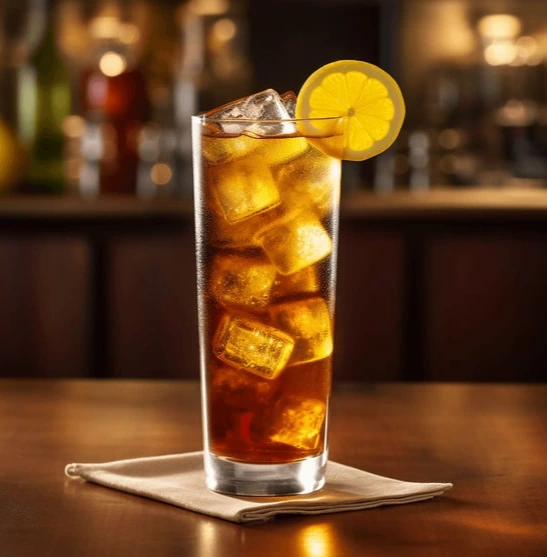
A Long Island Iced Tea (sometimes spelled Long Island Ice Tea, sometimes just shortened to LIT) is a tea-colored alcohol drink that contains no tea at all. The amber tint comes from a splash of cola, not from steeping anything. What it does contain is vodka, gin, white rum, tequila, and triple sec, all stacked into one glass with barely enough lemon juice and cola to soften the load. It’s one of the strongest cocktails most bars will serve you without a warning label, and it’s also one of the few drinks where almost nobody agrees on who actually invented it.
Before You Pour
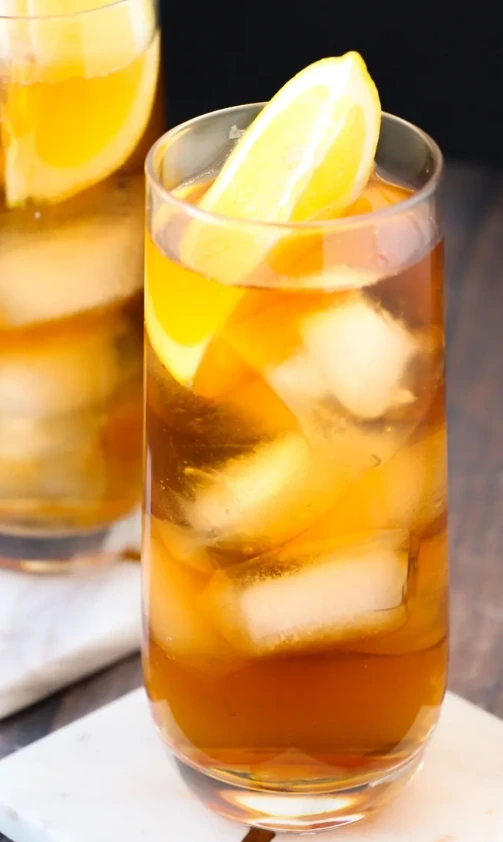
This is a drink for people who want a fast, strong, no-fuss cocktail rather than something to sip slowly and analyze. It’s not built for a quiet dinner pairing or a low-ABV night — the standard recipe runs close to 22% alcohol by volume, well above a typical mixed drink, because the ratio of liquor to mixer is so lopsided. If you’re hosting, treat it as a one-per-person-per-hour drink rather than a refill-on-demand pitcher, and have a non-alcoholic option nearby for anyone pacing themselves.
What’s Actually in the Glass
The classic build uses five spirits in equal parts, plus a sweetener, citrus, and a token amount of cola.
| Ingredient | Amount | Why it’s there |
| Vodka | 3/4 oz | Adds strength without flavor interference |
| White rum | 3/4 oz | Light sweetness, blends into the background |
| Silver tequila | 3/4 oz | Earthy edge that keeps the drink from tasting one-note |
| Gin | 3/4 oz | Botanical lift that cuts through the sugar |
| Triple sec | 3/4 oz | Orange liqueur that ties the spirits together |
| Simple syrup | 3/4 oz | Balances the citrus and alcohol bite |
| Fresh lemon juice | 3/4 oz | Brightens the drink and keeps it from tasting flat |
| Cola | A splash | Color and a faint caramel note — not a real flavor driver |
Four ounces of hard liquor against less than an ounce of actual mixer is the defining feature here. Most highballs flip that ratio. This one doesn’t, and that’s exactly why it works as a single, decisive drink rather than something you nurse all night.
Two Towns, One Argument: Where the Name Actually Comes From
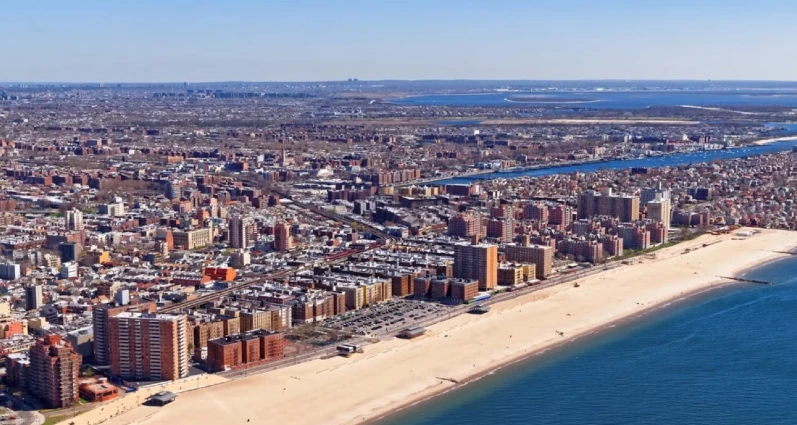
The most documented story traces back to 1972, at the Oak Beach Inn on Long Island, New York. A bartender named Robert “Rosebud” Butt says he built the drink for a contest that required using triple sec, added a splash of cola for color, and watched it spread across bars within a few years. That account lines up with the version most bartenders learn today: vodka, gin, rum, tequila, triple sec, and citrus.
Kingsport, Tennessee tells a different story, and the city’s tourism office still promotes it. In their version, a Prohibition-era moonshiner known as “Old Man Bishop” mixed whiskey, gin, rum, tequila, and vodka with maple syrup decades earlier, naming it after a small island in the Holston River — also called Long Island. No triple sec, no sour mix, and a different spirit lineup entirely. Neither story has a paper trail solid enough to settle the argument, and at this point, the disagreement has become part of the drink’s identity rather than a problem to solve.
How Much Alcohol Is Actually in This Thing
A standard Long Island Iced Tea carries about four ounces of hard liquor, compared to roughly half that in most mixed drinks. That’s the math behind its reputation: it’s not that any single spirit is overpowering, it’s that five of them are working at once with almost nothing to dilute them. If you want a version with real teeth but less of a hangover risk, scale each spirit down from 3/4 ounce to 1/2 ounce and let the cola fill in the difference. The drink stays recognizable; it just stops being a dare.
Building One at Home
- Fill a Collins glass with ice, then add the vodka, rum, tequila, gin, triple sec, simple syrup, and lemon juice.
- Top with a splash of cola and stir briefly — just enough to combine, not enough to lose the fizz.
- Garnish with a lemon wedge and serve with a straw.
Bottled sour mix is common at bars that pour these by the dozen, but fresh lemon juice changes the drink noticeably. It cuts the sweetness instead of layering more sugar on top of it, which is the difference between a Long Island that tastes balanced and one that tastes like a hangover with extra steps.
“LIT” and the Family of Variations
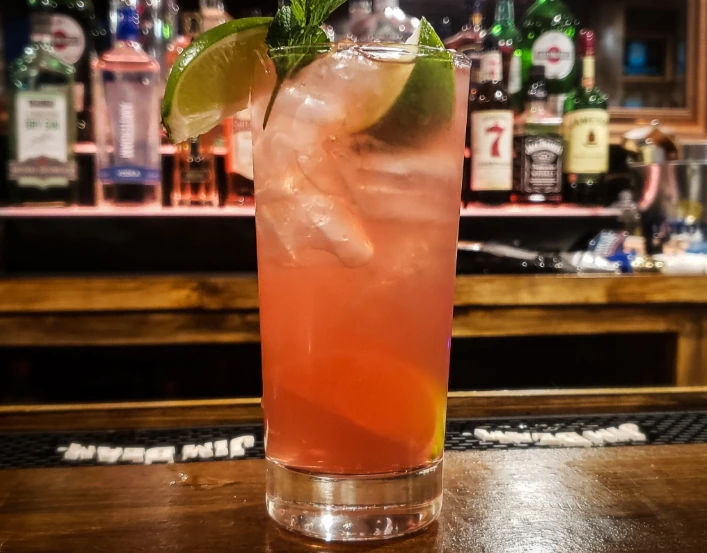
Bartenders and regulars often shorten the name to LIT, and you’ll see it written that way on menus and in group-chat drink orders. The base formula has also spun off a handful of regional cousins: swap the cola for cranberry juice and you get a Long Beach Iced Tea; swap the triple sec for Midori and the cola for lemon-lime soda and you land on a Tokyo Iced Tea, with its signature green tint; drop the tequila and use whiskey instead of gin, and you’re closer to a Tennessee Tea. All of them keep the same logic — several spirits, light mixer, fast effect — just dressed differently.
Does a Long Island Iced Tea actually have tea in it?
No. The name refers to its tea-like color, which comes from the cola, not from any tea ingredient.
How many drinks does one Long Island Iced Tea equal?
With roughly four ounces of combined spirits, it’s closer to two and a half standard drinks than one, which is worth knowing before ordering a second.
What to Watch the Next Time You Order One
The drink earns its reputation honestly — it’s strong, it’s fast, and it hides its alcohol behind sweetness rather than burying it in flavor the way a well-balanced cocktail usually does. That’s fine for one round with food nearby and a plan for getting home. It’s worth less fine as a baseline for an entire night, especially since the lemon-and-cola disguise makes it easy to underestimate how much you’ve actually had. Treat it as a strong opener or a nightcap, not a steady pour, and it stays exactly the kind of drink it was built to be.