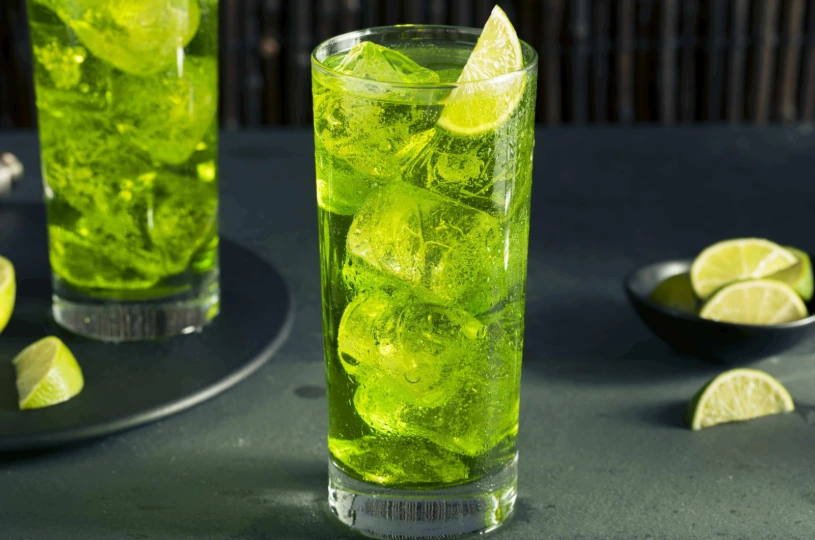
Order a Tokyo Tea and you’ll get six different spirits in one glass, a color that looks closer to antifreeze than anything served in an izakaya, and not a single leaf of tea. The name has nothing to do with where the drink was invented. It’s a riff on the Long Island Iced Tea, distinguished by one swap: melon liqueur instead of part of the usual lineup, which is what gives the glass its signature green tint.
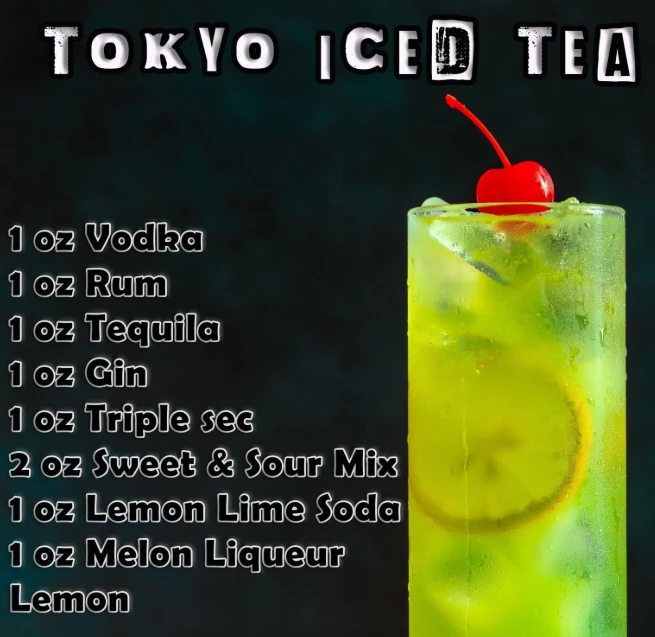
That one substitution changes more than the color. The melon liqueur brings its own sweetness and aroma to the mix, and the drink finishes with club soda on top rather than the cola a classic Long Island calls for. The result drinks lighter and fruitier than its American cousin, even though the alcohol content is just as serious.
At a Glance
| Glass | Highball |
| Total time | 5 minutes |
| Strength | Six half-ounce pours of spirit — closer to a strong cocktail than a sour |
| Calories (estimate, per serving) | Around 485 |
Why the Glass Turns Green Instead of Tan
A standard Long Island Iced Tea gets its amber color from cola. The Tokyo version drops that down to a splash of club soda and brings in melon liqueur for both color and flavor. The brand most commonly used is Midori, made by the Japanese company Suntory from muskmelon and the rarer Yubari melon. Even at just a half ounce, mixed in equal parts with five other spirits, the melon liqueur’s color and flavor still come through clearly — that’s the whole point of using it instead of simply adding more vodka or gin.
This is also where the “tokyo” in the name comes from, loosely: the drink leans on a liqueur tied to Japan, even though the recipe itself was built in American bars working off the Long Island template. There’s no geographic accuracy to chase here, and no tea hiding in the glass either. What you’re actually drinking is six spirits, a sour mix, and a fizzy top.
What’s Actually in the Glass
Every ingredient plays a specific role, even though the recipe looks like a dare at first glance. Here’s what’s doing the work and why it’s there.
| Ingredient | Amount | Role |
| Gin | 1/2 oz | Adds the botanical backbone |
| Melon liqueur | 1/2 oz | Color, sweetness, and the “Tokyo” signature |
| Rum | 1/2 oz | Rounds out the sweetness with a touch of caramel |
| Tequila | 1/2 oz | Brings an earthy edge that cuts through the sugar |
| Triple sec | 1/2 oz | Orange citrus note, ties the spirits together |
| Vodka | 1/2 oz | Adds strength without adding its own flavor |
| Sweet-and-sour mix | 1 oz | Balances the alcohol with acidity and sweetness |
| Club soda | A splash | Lightens the drink and adds fizz on top |
No single spirit dominates because none of them are poured heavy. That’s the trick to a Tokyo Tea tasting smoother than its math suggests — six different liquors in small, equal amounts tend to blur into each other rather than fight for attention.
Building the Drink
- Fill a highball glass with ice, then add the gin, melon liqueur, rum, tequila, triple sec, vodka, and sweet-and-sour mix.
- Stir to combine before adding anything else — this gets the spirits and mixer working together rather than sitting in separate layers.
- Top with a splash of club soda. Pour it gently rather than dumping it in, so it floats rather than fully mixing, keeping a touch of fizz at the surface.
- Garnish with a lemon wheel and a maraschino cherry.
The whole process takes about five minutes and needs no shaking, no straining, and no specialty bar tools beyond a stirring spoon.
Homemade Sweet-and-Sour Mix vs. the Bottle
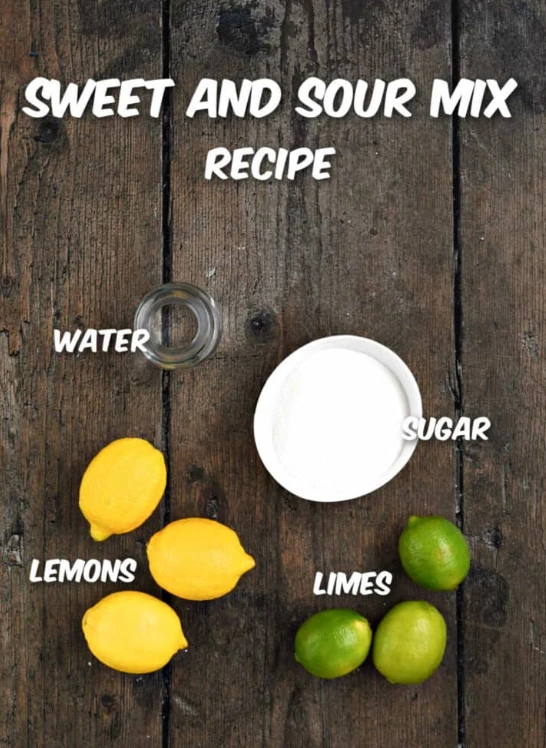
Store-bought sweet-and-sour mix is the fastest route, and it’s stocked at most grocery stores next to the soda. The tradeoff is that bottled versions often lean on corn syrup, artificial sweeteners, and preservatives to stay shelf-stable, which can leave an aftertaste that fights with six different spirits already competing for space in the glass.
The homemade version takes one extra step: combine equal parts sugar and water to make a simple syrup, then add fresh lime juice to taste. It keeps the sweetness clean and lets you control exactly how tart the final drink turns out — useful in a recipe where every other ingredient is already locked into a fixed half-ounce pour.
Tokyo Tea Shot and Smaller Versions
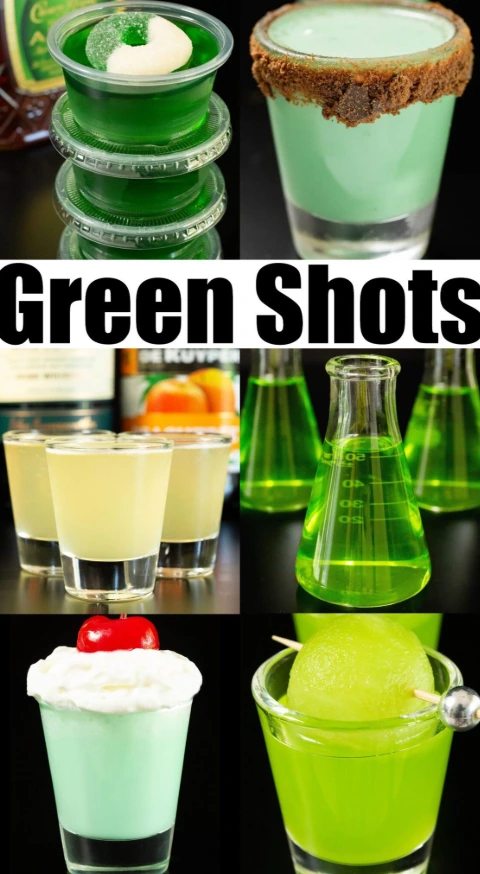
Some bars scale the recipe down into a shot, dropping the club soda and sweet-and-sour mix and pouring the six spirits in smaller fractional amounts straight into a shot glass. It’s a faster way to serve the same flavor profile at parties, but it concentrates the alcohol into a single swallow instead of spreading it across a full highball. A Tokyo Tea shot delivers the same six-spirit lineup with none of the dilution, so it’s worth treating as a stronger pour than the size of the glass suggests, and pacing accordingly.
Where the Recipe Bends
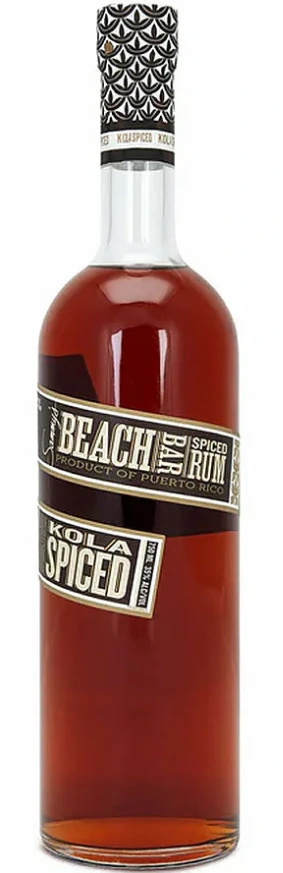
The base formula holds up well to small substitutions. Swapping the club soda for lemon-lime soda pushes the drink sweeter and softer, closer to what some bars label simply as a Tokyo Iced Tea variation. Using spiced rum instead of plain rum adds a warmer note without throwing off the balance. Fresh lime juice and simple syrup, kept separate rather than premixed, give more control if you’re adjusting sweetness on the fly for different guests.
What doesn’t bend well is the total alcohol volume — pulling any of the six spirits changes the character of the drink more than it seems like it should, since each one is already contributing a thin, specific layer rather than bulk.
What to Watch Before You Pour Another
This is a drink built to be quaffable, and that’s exactly what makes it worth pacing. Six spirits in equal, modest pours mask the alcohol flavor far better than they mask the alcohol itself, which is part of why Tokyo Teas have a reputation as party drinks rather than sipping cocktails. Serve it with food nearby, keep an eye on how quickly a round disappears, and treat the bright green color as a flavor choice — not a sign that this is somehow lighter than a standard Long Island Iced Tea.