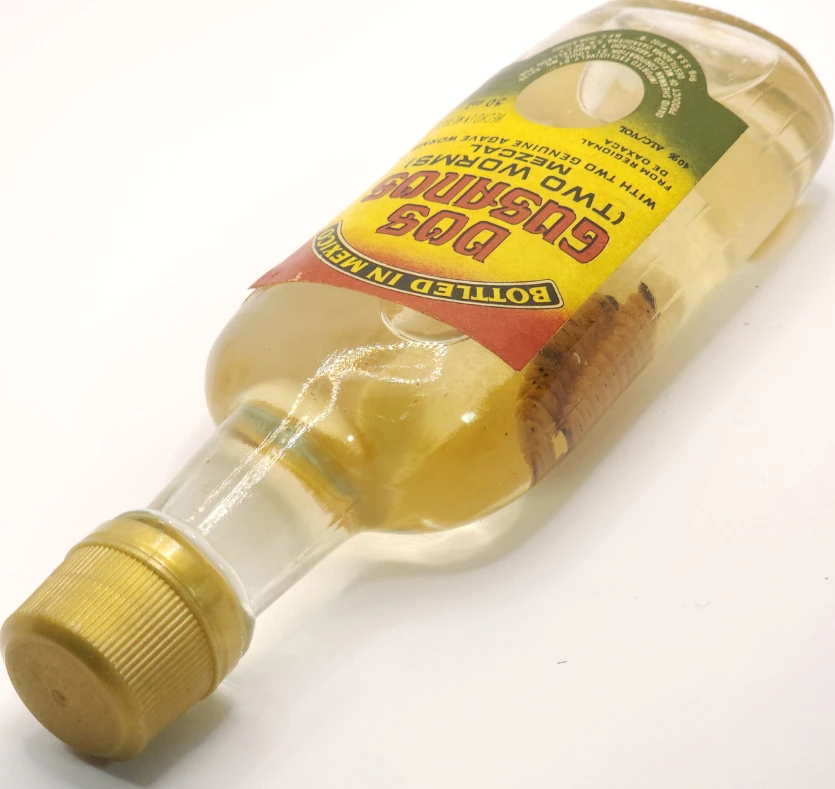
Nobody has ever legally found a worm at the bottom of a real bottle of tequila. The image is burned into pop culture so deep that most people would bet money on it, but the spirit holding that floating larva has always been mezcal, not tequila. Mexican regulation actually bans adding insects or larvae to tequila outright, which makes the myth less a misconception and more a case of two different agave spirits getting permanently swapped in everyone’s memory.
Why the Confusion Happens in the First Place
Tequila and mezcal come from the same plant family but follow different rules. Tequila has to be made from blue agave, with a legal minimum agave content set by Mexican standards, while mezcal can be distilled from dozens of other agave and maguey varieties grown across several states. That broader recipe is also why mezcal tends to taste smokier — the agave hearts are roasted before fermentation rather than steamed the way tequila’s usually are. Two spirits, same plant family, very different production rules, and somewhere along the way American drinkers started using the names interchangeably. The worm got swapped along with them.
What’s Actually Floating in the Bottle
The thing people call a “tequila worm” is gusano de maguey, and it isn’t a worm at all — it’s a moth or butterfly larva that lives inside the agave plant. There are two versions worth knowing apart. The red one, gusano rojo, is the larva of a moth called Comadia redtenbacheri, and it feeds on the heart of the agave — the same part that gets roasted and distilled into mezcal. The white version, sometimes called meocuil, comes from a different insect entirely: the tequila giant skipper butterfly, Aegiale hesperiaris, whose larvae feed on the plant’s leaves rather than its core.
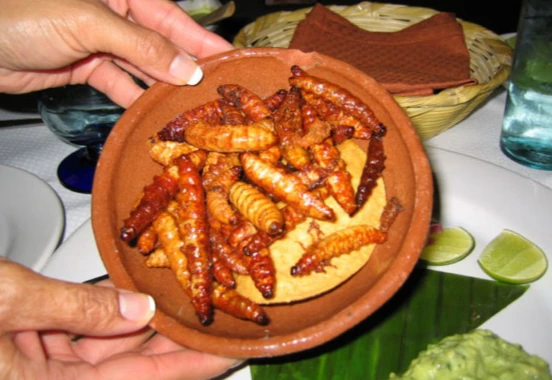
That distinction actually matters if you’re judging which “worm” is the better catch. Since the red larva grows inside the part of the plant that becomes the spirit itself, it’s considered the more prized of the two — gold-leaf-eating larvae are treated as the lesser prize by comparison. None of this is exotic trivia in Mexico, either. Gusanos de maguey show up dried, fried, or ground into worm salt and served as a regular food item, completely separate from any cocktail theatrics.
How a Marketing Idea Became a Decades-Long Myth
Credit (or blame) for putting the larva in the bottle usually goes to a mezcal producer named Jacobo Lozano Páez, who started the practice sometime in the 1940s or 1950s. The story goes that he noticed a larva had ended up in a batch of his mezcal during roasting, decided it changed the flavor for the better, and started adding it to bottles on purpose. Whether that’s the literal truth or a flattering origin story repeated so often it became fact, the timing lines up with something else: mezcal was losing ground to tequila in the U.S. market and needed a way to stand out on a shelf.
A worm floating in clear liquid did exactly that. From there, the claims piled on fast — that the worm proved the spirit was strong enough to keep larva intact without decomposing, that it brought good luck, that swallowing it delivered some kind of virility boost. None of that held up to scrutiny, and the most persistent version of the myth, that the worm causes hallucinations, has no basis in the insect’s biology. It’s a larva that lived inside a plant. It doesn’t carry psychoactive compounds, no matter how many dorm-room legends say otherwise.
Why Mexicans Themselves Rarely Drank It That Way
One detail tends to get left out of the marketing-origin story: the worm-in-the-bottle tradition was built almost entirely for export. Domestically, mezcal con gusano was never the standard way people in Mexico drank the spirit, and the worm-eating dare that became a rite of passage at American bars in the ’80s and ’90s had little equivalent back home. Eating gusano de maguey as food, on its own or with worm salt alongside a glass of mezcal, is a real and old practice. Treating it as a frat-house dare wrapped around a bottle of booze is the part that got invented for a different audience.
What to Actually Check on a Bottle
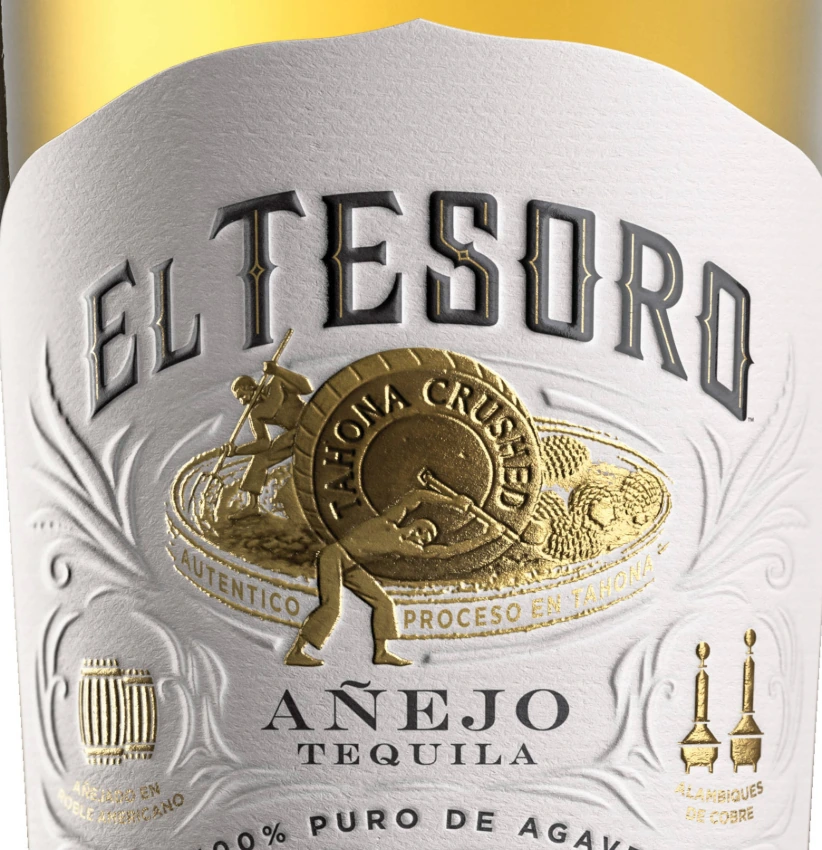
If you’re trying to sort fact from souvenir-shop legend the next time you’re shopping, the label tells you almost everything. A bottle marked tequila will never legally contain a larva — Mexican standards prohibit it, full stop. A bottle marked mezcal might, especially older-style or novelty bottlings aimed at tourists; modern, high-end mezcal producers have mostly moved away from the gimmick as the spirit’s reputation has shifted toward craftsmanship rather than novelty. If a bottle does include the worm, it’s worth treating it the way you’d treat worm salt on the rim of a glass: a genuine piece of Mexican food culture, not a dare, and not a sign of anything about the spirit’s purity or proof.
The Detail Worth Remembering
The next time someone hands you a shot and claims there’s a worm waiting at the bottom of the tequila bottle, the easiest correction is also the most accurate one: that’s not how tequila works, legally or otherwise. What’s actually interesting is the insect itself — a real food, eaten on its own terms in Mexico long before it ever became a marketing trick aimed at American drinkers chasing a story to tell.